Why we take this approach
Beekeeping attracts people for different reasons. Some want to produce honey. Others are interested in the ecology of pollinators. Some simply want to work with their hands in a craft that connects them to natural cycles. All of these are reasonable starting points.
What most beginners encounter is either overly simplified content that skips important details, or highly technical material aimed at commercial producers. The space in between, craft-level practice explained honestly, is where this platform sits.
Egyptian beekeeping has its own character. The climate, the flora, and the long history of apiculture here create a context that matters. Advice written for cooler climates or different flora does not always translate. This platform tries to close that gap.
"Understanding the hive means understanding what the bees need, not what the beekeeper wants."A principle from Egyptian apiary tradition
How we think about teaching beekeeping
Observation before intervention
Most beginner mistakes come from opening hives too often or intervening before understanding what is actually happening. We teach observation skills first. Reading bee behavior at the entrance, noting flight patterns, understanding the seasonal calendar. Intervention makes more sense when observation comes first.
Traditional knowledge has context
Ancient Egyptian beekeeping methods were not primitive. They were adapted to local conditions over centuries. Horizontal clay hives allowed colony inspection and honey extraction without destroying brood. Seasonal movement of hives following blooms is still practiced in parts of Egypt today. This knowledge deserves documentation and respect.
Honey quality is about process
Good honey comes from healthy bees, good forage, and patient harvesting. There are no shortcuts. Honey that ferments was harvested too early. Honey that tastes flat came from stressed colonies or poor forage. Understanding the connection between process and result is the foundation of this platform's quality content.
Beginners need honest information
Starting a hive is not complicated, but it does require commitment and some initial investment. It also involves some real risks, including stings, colony losses in the first year, and the learning curve of reading a hive correctly. This platform does not oversell the ease of beekeeping. Honest expectations lead to better beekeepers.
Bees come first
The colony's health is the priority. Honey extraction should never compromise the colony's ability to overwinter or maintain its population. Taking too much honey too often is one of the most common beginner errors. Every piece of content here is written with colony welfare as the primary consideration.
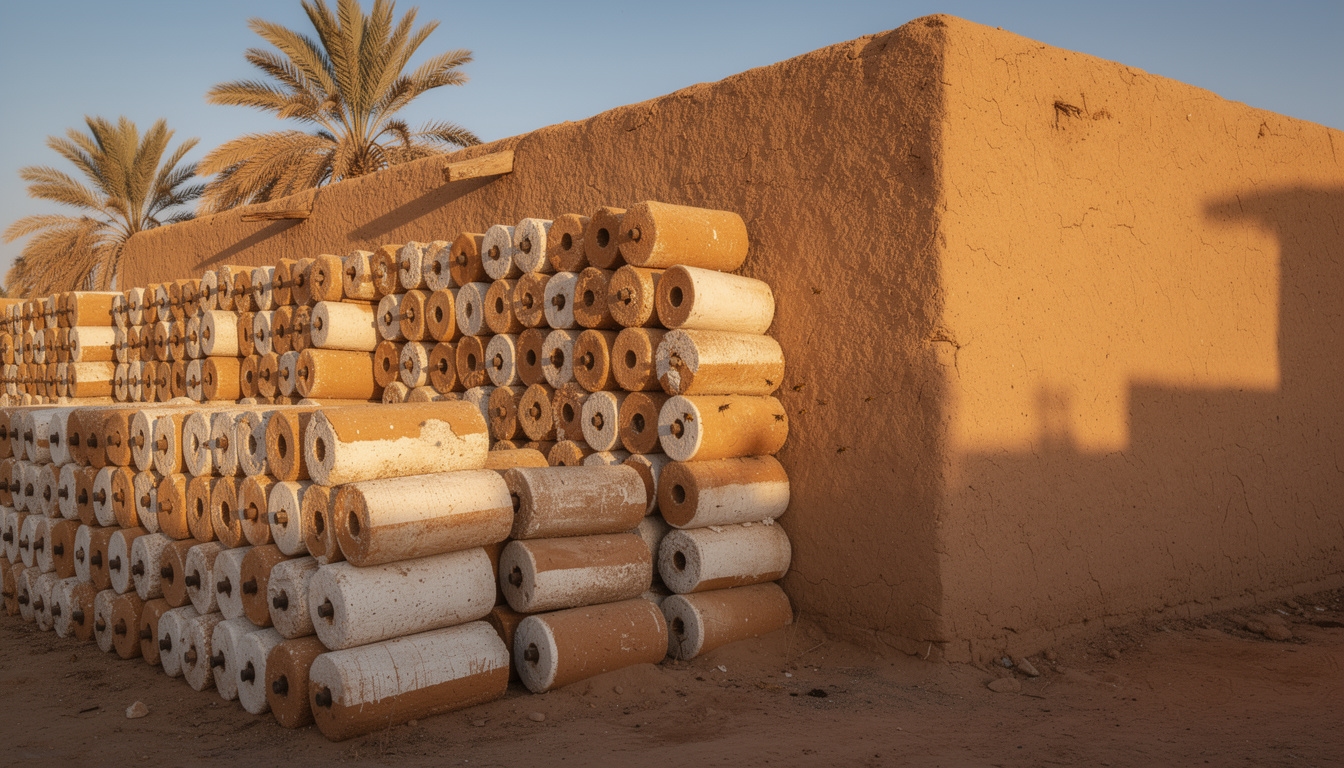
Clay hives and basket hives of Egypt
Before Langstroth frames arrived in Egypt, beekeepers used horizontal clay cylinders stacked in rows. These allowed inspection from the back without disturbing the entire colony. The structure suited Egyptian conditions: clay's thermal mass kept interior temperatures more stable in the summer heat.
Basket hives woven from palm fronds are still found in parts of Upper Egypt. They are lighter and easier to transport when following floral blooms. The woven structure breathes differently from wood, which has advantages in humid Delta conditions.
Neither type is obsolete. Both appear in our content because understanding them helps explain why certain management techniques developed the way they did.